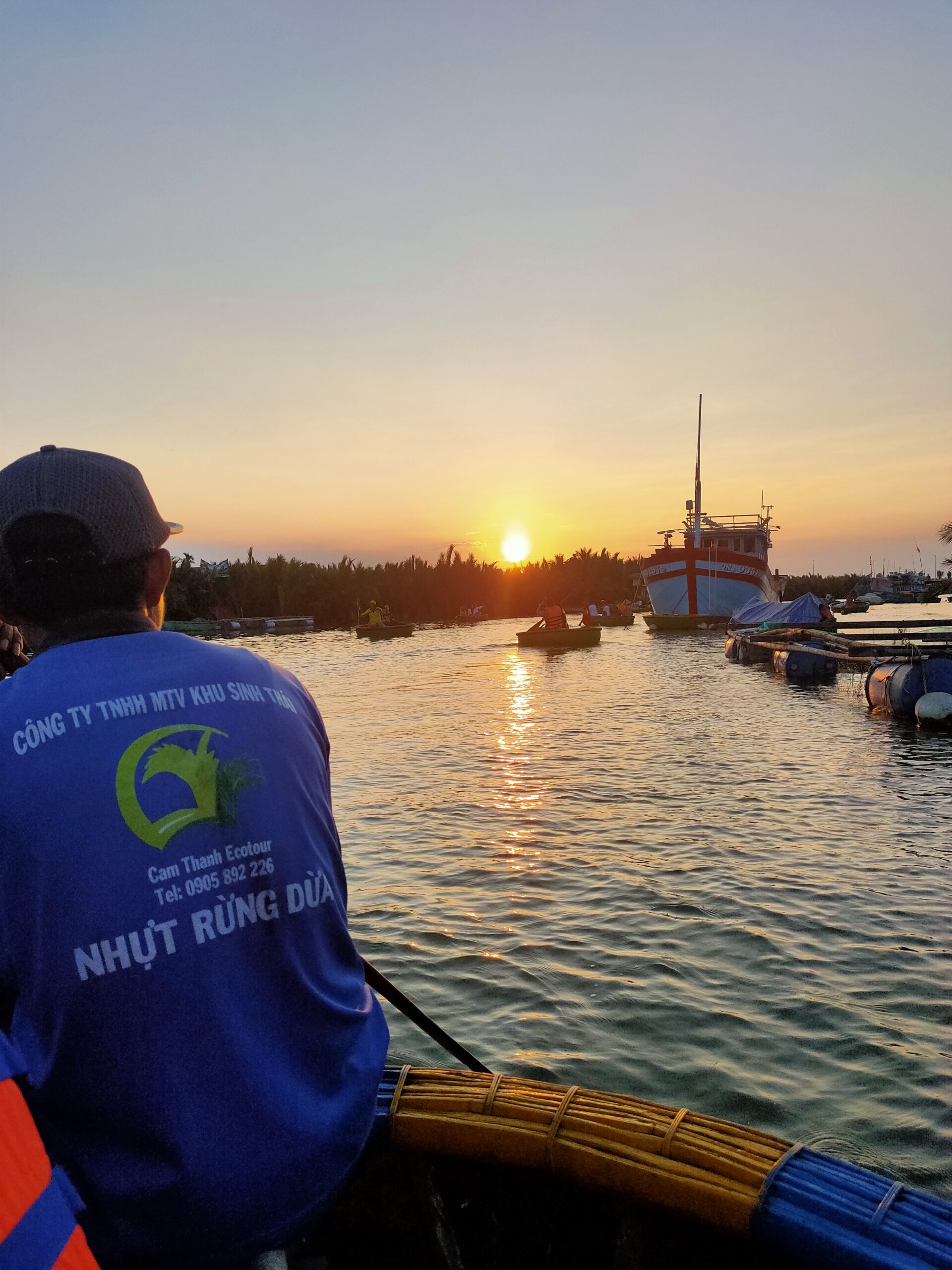
There’s something I’ve been thinking about lately.
In destinations where money goes further — where exchange rates stretch comfortably and everyday services feel inexpensive — I sometimes notice a shift in behaviour.
Not in everyone.
But enough to make me pause.
I was in Da Nang recently, getting a mani-pedi like many travellers on holiday. Two tourists walked in. Within minutes, the man began loudly swearing at the staff because the cuticle trim hurt. The staff apologised immediately and switched technicians.
No resistance. No pushback.
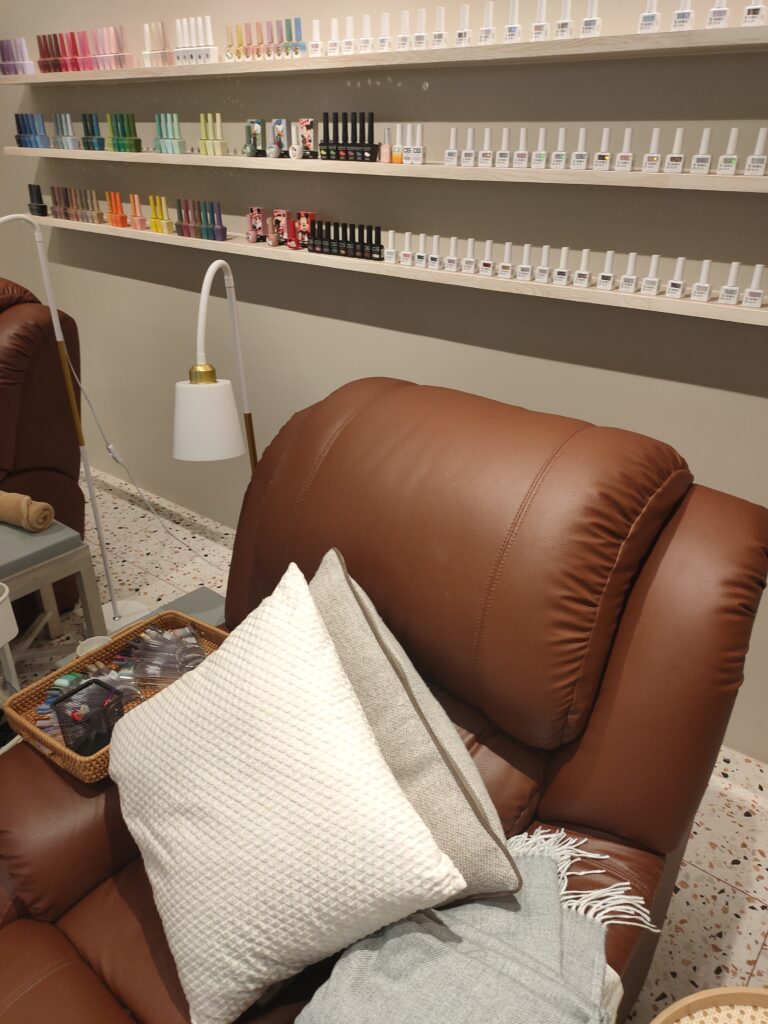
For a second, I froze — partly because it startled me mid-treatment, partly because I recognised the imbalance in the room.
The service was affordable by tourist standards. The exchange rate favoured the visitor. The power dynamic felt uneven.
And I wondered:
What happens when purchasing power increases and accountability decreases?
When you’re in a place where your currency stretches further, does it subtly change how you carry yourself?
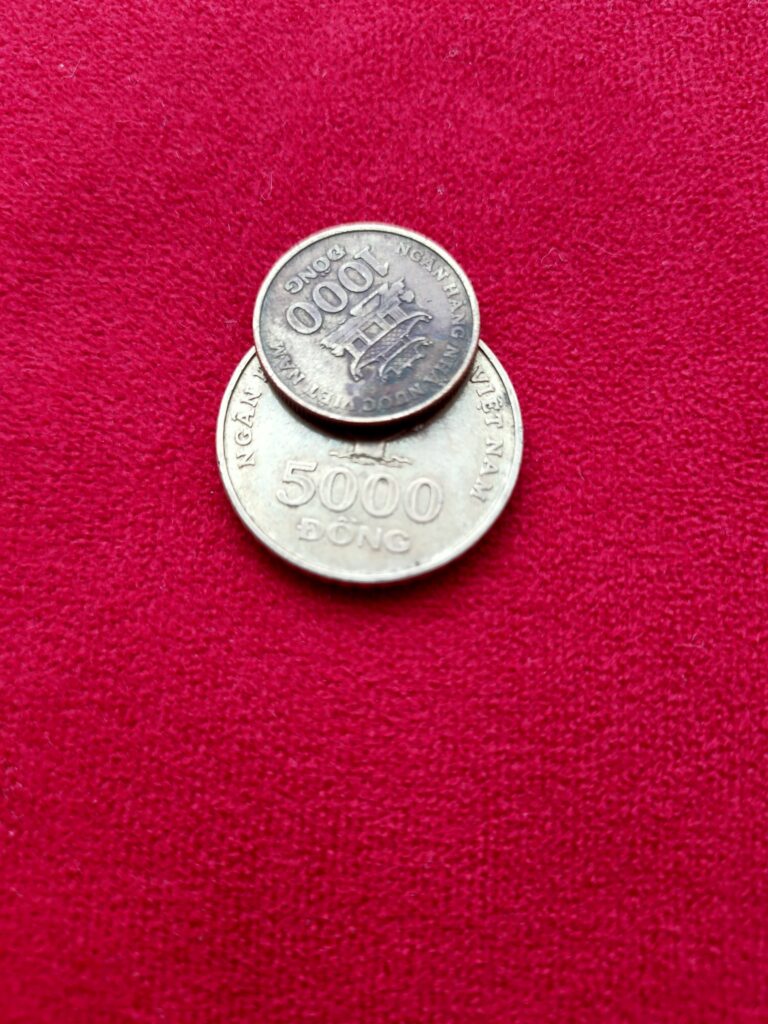
Does affordability unconsciously translate into authority?
Travel already removes us from our usual social environment. You’re not known here. You’re unlikely to see these people again. Combine that with economic advantage, and the psychological shift can be subtle — but real.
I’ve been slow travelling — staying at least a month in each city. That changes what you see. You’re not just consuming highlights; you observe daily rhythms, ordinary exchanges, and the people who make these places function.
And often, the individuals working in these industries are among the warmest and most patient people you’ll meet.
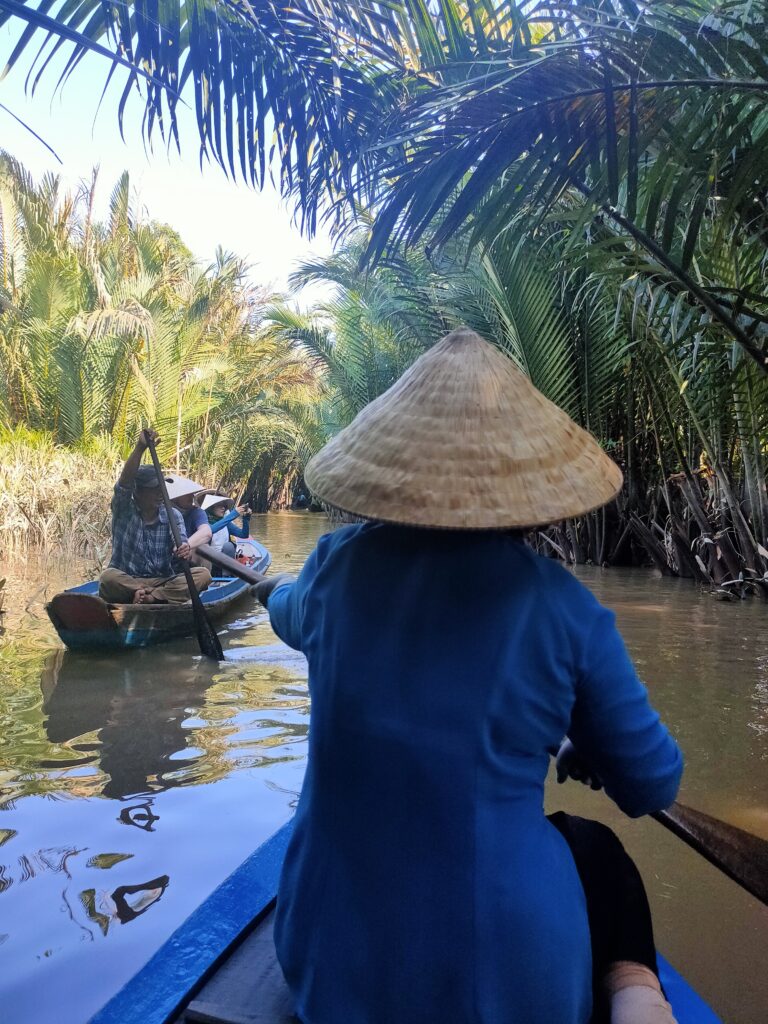
Which makes moments like that harder to sit with.
In more expensive cities, poor behaviour still exists. But it tends to be quieter. Boundaries are firmer. Service staff are more empowered to respond. The asymmetry feels less pronounced.
So perhaps it isn’t about affordability at all.
Perhaps it’s about what happens when economic advantage enters a room — and the social cost of misbehaviour feels low.
I’ve also caught myself asking:
Have I ever moved too quickly because something felt inexpensive?
Have I ever forgotten, even subtly, that someone else’s labour is never “cheap” to them?
Maybe the difference between a good tourist and an ugly one isn’t spending power.
It’s whether we remember that financial advantage does not grant authority.
I’m still thinking about this.
What do you think?
📌 Want more real stories from the road?
Follow me on Instagram, TikTok, and YouTube for bite-sized tips, deeper travel dives, and honest insights from life abroad. 🚀
📌 Affiliate Disclosure:
This post may contain affiliate links, which means I may earn a small commission — at no extra cost to you — if you make a booking through them. This supports my blog so I can keep sharing cost-of-living breakdowns from around the world. I only recommend services I’ve personally used and loved!
Bonus Tip: If you’re planning your trip and haven’t locked in your activities yet, here are my go-to platforms:
💸 Not quite the vibe you’re looking for? Totally fair — we all spend differently, and I’m all for doing what makes life feel rich in your own way.
So have a scroll through the other places I’ve lived — whether you’re on sabbatical, reclaiming your time, or just out here to veg out in peace, we’ll find the one that feels like home (or at least a good month).
Leave a Reply